
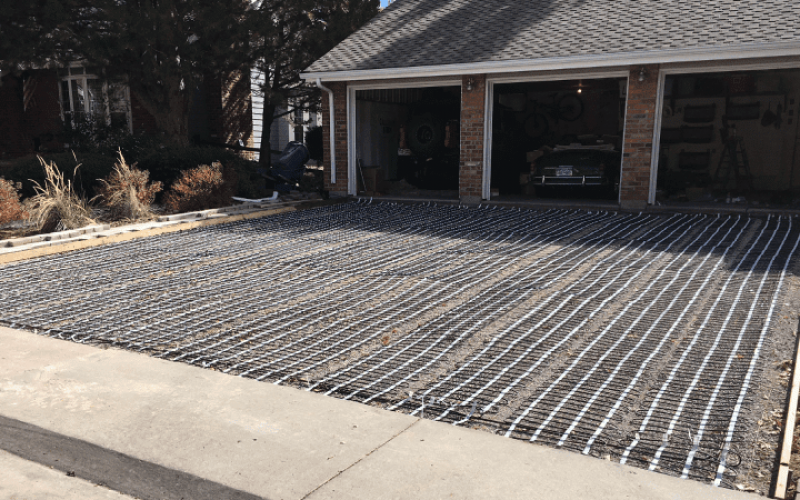
If you live in a snowy climate, a heated driveway can be a game-changer. No more early morning shoveling, messy salt, or icy hazards. Among the most efficient options available is the hydronic heated driveway system. In this post, we’ll walk you through how it works, how it’s installed, the costs involved, and why it might be the best investment for your home this winter.
What Is a Hydronic Heated Driveway?
A hydronic snow-melt system uses heated water (mixed with antifreeze) that circulates through flexible PEX tubing installed beneath your driveway surface. The heat radiates upward, melting snow and ice from below. This system can be installed under concrete, asphalt, or even pavers.
Planning & Design Considerations
Before breaking ground, you’ll need to plan carefully. Here’s what to consider:
1. Coverage Area
-
Full driveway coverage vs. tire track zones.
-
Consider your typical snowfall levels and vehicle traffic.
2. Driveway Surface
-
Concrete: Ideal for radiant heat.
-
Asphalt: Tubing must handle higher surface temps.
-
Pavers: May require special installation techniques or panel systems.
3. Insulation Matters
Install rigid foam insulation beneath the tubing to prevent heat loss into the ground and improve energy efficiency.
4. Heating Source & Controls
-
A boiler (gas, electric, oil, or solar) heats the fluid.
-
A control panel and snow sensors automate the system—only activating when snow is detected and temperatures drop below freezing.
Step-by-Step: How It’s Installed
Here’s how professionals typically install a hydronic heated driveway:
1. Excavation & Base Prep
-
Dig to allow for gravel, insulation, and tubing layers.
-
Ensure proper drainage and base compaction.
2. Insulation Installation
-
Lay rigid foam panels or grooved boards.
-
Prevent heat from escaping downward.
3. Tubing Layout
-
Lay PEX tubing in loops (6–9 inches apart).
-
Secure it using mesh or integrated grooves.
4. Surface Installation
-
Concrete: Tubing embedded within slab (~2″ below surface).
-
Asphalt: Tubing placed under first asphalt layer.
-
Pavers: Installed over tubing embedded in sand or thermapanel systems.
5. Mechanical System Setup
-
Connect tubing to a manifold and circulation pump.
-
Hook up to the boiler and sensors.
6. Testing & Commissioning
-
Perform pressure testing.
-
Cure concrete/asphalt fully before system start-up.
Costs Breakdown
| Component | Cost Estimate (USD) |
|---|---|
| System installation | $15–25 per sq. ft. |
| Insulation panels | $1.50–3 per sq. ft. |
| Boiler & components | $2,000–6,000+ |
| Operating costs | Varies by fuel & usage |
| Lifespan | 20–30 years (with maintenance) |
While installation is an upfront investment, hydronic systems tend to have lower long-term energy costs compared to electric systems.
Maintenance Tips
-
Annual inspection of the manifold and tubing.
-
Sensor calibration to ensure energy-efficient operation.
-
Periodic system flushes or pressure tests if performance drops.
Key Benefits
-
No more shoveling or salting
-
Increased safety during winter storms
-
Lower maintenance on your driveway
-
Energy-efficient, especially when paired with high-efficiency boilers or renewable energy
Final Thoughts
A hydronic heated driveway is more than a luxury—it’s a practical, long-term solution for anyone in a snowy region. By investing in proper planning, high-quality materials, and professional installation, you’ll enjoy decades of winter convenience and peace of mind.
Thinking of installing one? Reach out to a licensed radiant heating installer and get a custom quote based on your driveway size and climate needs.


