
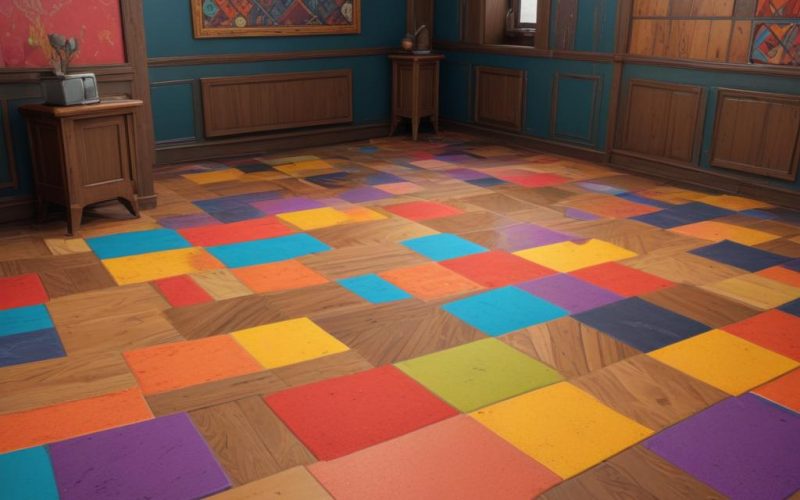
Choosing the right flooring for your home or business is a critical decision that can impact aesthetics, functionality, and durability. However, equally important is understanding the installation techniques for different flooring types, as proper installation ensures longevity and optimal performance. This article delves into the installation techniques for some of the most popular flooring types: hardwood, laminate, tile, carpet, and vinyl.
1. Hardwood Flooring
Hardwood flooring is renowned for its timeless beauty and durability. Installing hardwood requires precision and care.
Preparation:
- Acclimatization: Hardwood planks need to acclimatize to the room’s humidity and temperature for at least 48 hours before installation.
- Subfloor Inspection: Ensure the subfloor is clean, dry, and level. Any imperfections can affect the finished floor.
- Moisture Barrier: A moisture barrier is essential to prevent water damage.
Installation:
- Nail-Down Method: This is the most common technique, where planks are nailed directly to a wooden subfloor. It’s suitable for both solid and engineered hardwood.
- Staple-Down Method: Similar to nail-down, but using staples instead. This method is quicker and can be easier for DIY enthusiasts.
- Glue-Down Method: Used mainly for engineered hardwood, especially on concrete subfloors. Special adhesives are applied to ensure a strong bond.
- Floating Method: Engineered hardwood can also be installed as a floating floor, where planks are attached to each other but not to the subfloor. This method is ideal for areas with high humidity changes.
2. Laminate Flooring
Laminate flooring is a cost-effective and versatile option that mimics the look of hardwood or stone.
Preparation:
- Acclimatization: Like hardwood, laminate planks need to acclimate to the room’s conditions for 48 hours.
- Subfloor Preparation: The subfloor must be clean, dry, and level. Laminate can be installed over various subfloors, including concrete, vinyl, and wood.
- Underlayment: An underlayment is crucial for cushioning, sound reduction, and moisture protection.
Installation:
- Click-Lock Method: Laminate planks typically feature a tongue-and-groove design that locks together. This floating floor system requires no glue or nails, making it relatively easy to install.
- Glue-Together Method: Some laminate floors require glue at the joints for added stability, although this method is less common.
3. Tile Flooring
Tile flooring, including ceramic, porcelain, and stone tiles, offers durability and a wide range of design options.
Preparation:
- Subfloor Inspection: Ensure the subfloor is clean, dry, and level. For best results, a cement backer board is often installed over wooden subfloors.
- Layout Planning: Plan the tile layout to minimize cuts and ensure a balanced look.
Installation:
- Adhesive Application: Use a notched trowel to spread thin-set mortar or tile adhesive on the subfloor.
- Tile Placement: Press each tile into the adhesive and use spacers to maintain consistent grout lines.
- Cutting: Cut tiles to fit edges and around obstacles using a wet saw or tile cutter.
- Grouting: After the adhesive sets, apply grout between the tiles, and then wipe off excess grout with a damp sponge.
4. Carpet Flooring
Carpet flooring provides comfort and insulation, making it a popular choice for bedrooms and living areas.
Preparation:
- Subfloor Cleaning: Ensure the subfloor is clean, dry, and smooth.
- Padding Installation: Lay down carpet padding for added comfort and to extend the carpet’s life.
Installation:
- Stretch-In Method: This traditional method involves attaching the carpet to tack strips along the edges of the room and then stretching it to fit using a power stretcher.
- Glue-Down Method: For commercial settings or areas with heavy traffic, the carpet can be glued directly to the subfloor.
5. Vinyl Flooring
Vinyl flooring is durable, water-resistant, and available in a variety of styles, including planks, tiles, and sheets.
Preparation:
- Subfloor Preparation: The subfloor must be clean, dry, and smooth. Imperfections can show through thin vinyl.
- Acclimatization: Allow vinyl planks or tiles to acclimate to the room’s conditions for at least 48 hours.
Installation:
- Peel-and-Stick Method: Vinyl tiles with adhesive backing are easy to install by simply peeling off the backing and pressing the tiles into place.
- Click-Lock Method: Similar to laminate flooring, vinyl planks can snap together to form a floating floor.
- Glue-Down Method: For sheet vinyl or some tiles, adhesive is spread on the subfloor, and the vinyl is rolled out and pressed down.
Conclusion about Installation Techniques for Different Flooring Types
Understanding the correct installation techniques for different flooring types is crucial for achieving a beautiful, durable, and long-lasting floor. Whether you opt for the classic appeal of hardwood, the versatility of laminate, the durability of tile, the comfort of carpet, or the practicality of vinyl, following the appropriate preparation and installation methods will ensure your flooring performs its best for years to come.


